Time Management Mastery: Unlocking Your Student Superpower!

Juggling classes, exams, extracurriculars, and a social life – student life can feel like a constant juggling act. But fear not, time-starved scholars! Unlocking time management mastery is your key to academic success, reduced stress, and a balanced life beyond textbooks.
Why Time Management Matters:
Boost Productivity: Say goodbye to last-minute cramming and hello to efficient study sessions. Effective time management allows you to accomplish more in less time, leaving room for other pursuits.
Reduce Stress: Feeling overwhelmed by deadlines? Time management helps you stay organized and in control, minimizing that stressful feeling of being behind.
Improve Grades: Dedicating focused time to each subject leads to deeper understanding and better performance. You'll ace those tests and impress your professors!
Enhance Well-being: A balanced schedule allows you to prioritize sleep, exercise, and social activities, leading to improved mental and physical health.
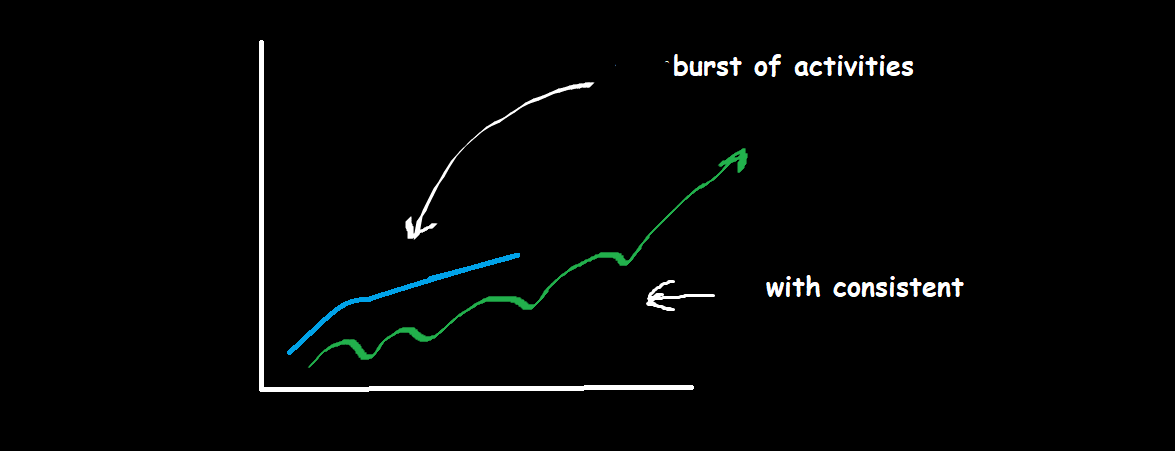
What to Manage:
Tasks: Break down large projects into manageable chunks and prioritize them based on importance and urgency.
Time: Track your activities and identify time wasters. Allocate specific time slots for studying, socializing, and relaxation.
Distractions: Put the phone away! Minimize social media distractions and create a focused study environment (goodbye, noisy roommates!).
How to Achieve Mastery:
Embrace Planning:Plan your week in advance, using tools like calendars and planners. Include study sessions, free time, and appointments.
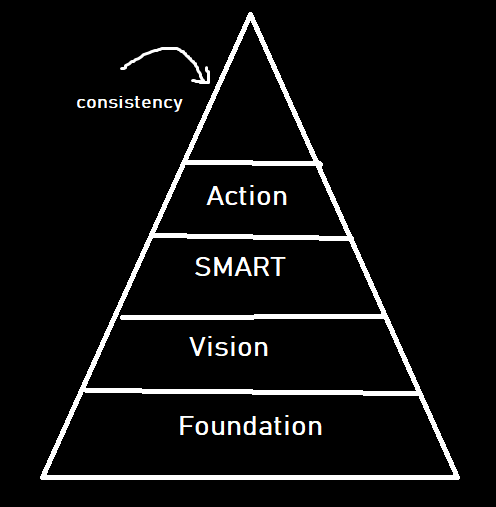
Set SMART Goals: Make your goals Specific, Measurable, Achievable, Relevant, and Time-bound. This keeps you motivated and on track.
Utilize Pomodoro Technique: Work in focused 25-minute intervals with short breaks in between. This technique promotes sustained concentration and prevents burnout.
Say No: Learning to gracefully decline commitments that overload your schedule is crucial for maintaining balance.
Mind Mapping Magic:
Visualize your tasks and priorities: Create a mind map with your course topics in the center. Branch out with key concepts, assignments, and deadlines. This method helps you connect ideas and identify areas needing focus.
Brainstorm creatively: Stuck on a project? Mind maps are great for brainstorming ideas and organizing your thoughts visually.
Tech Tools to the Rescue:
Notion: This versatile app helps you create organized study notes, track assignments, and manage to-do lists.
Forest: Gamify your focus! This app plants a virtual tree as you work, motivating
you to avoid distractions and complete tasks.
Here is glimpse for the Timeline Example you can get for yourself
Timeline: Aim for a 12-month timeframe to develop skills and gain experience.
Monthly Breakdown:
Months 1-3:
Technical Skills:
Choose your core programming language (e.g., Java, Python).
Enroll in online courses/tutorials to build a strong foundation.
Practice basic data structures and algorithms through platforms like LeetCode.
Familiarize yourself with relational databases (e.g., MySQL).
Personal Projects:
Start small with beginner-friendly projects like building a simple website or web app.
Participate in coding challenges and hackathons for practice and exposure.
Internships & Experiences:
Research and identify companies offering SDE internships.
Start building your online presence with LinkedIn and coding portfolios.
Network with professionals and seek mentorship opportunities.
Soft Skills & Communication:
Read books and articles on problem-solving and critical thinking.
Join clubs or participate in activities that hone communication and teamwork skills.
Practice time management through techniques like Pomodoro.
Months 4-6:
Technical Skills:
Advance your skills in your chosen language and explore additional frameworks/libraries.
Practice more complex data structures and algorithms (e.g., sorting, searching).
Learn basic concepts of NoSQL databases and cloud computing.
Start exploring version control systems like Git.
Personal Projects:
Work on a more challenging project demonstrating your technical abilities.
Consider contributing to open-source projects on GitHub.
Document your projects meticulously to show your thought process and learning journey.
Internships & Experiences:
Actively apply for internships starting in the next term.
Prepare for technical interviews by practicing coding assessments and mock interviews.
Attend career fairs and workshops to connect with employers.
Soft Skills & Communication:
Take online courses or workshops on communication and teamwork.
Participate in mock interview sessions to improve communication skills.
Practice time management by setting realistic goals and tracking progress.
Months 7-9:
Technical Skills:
Deepen your expertise in specific areas relevant to your desired SDE role (e.g., web development, mobile app development).
Learn testing frameworks and best practices for unit and integration testing.
Familiarize yourself with design patterns and best practices in OOP.
Gain expertise in Git and other version control systems.
Personal Projects:
Contribute to challenging open-source projects or develop a personal portfolio website showcasing your best work.
Participate in hackathons and coding competitions to push your limits and learn from others.
Internships & Experiences:
Continue applying for internships and attend interviews with confidence.
Network with professionals you met during internships and events.
Start building your professional network on LinkedIn.
Soft Skills & Communication:
Participate in leadership roles or projects that demonstrate your soft skills.
Practice giving presentations and public speaking to improve communication skills.
Network effectively with professionals and peers alike.
Months 10-12:
Technical Skills:
Stay updated with the latest trends and technologies in the SDE field.
Prepare for specific technical skills required by your targeted companies.
Continue practicing data structures and algorithms to maintain sharpness.
Refine your understanding of software development best practices.
Personal Projects:
Work on a complex project that showcases your expertise and problem-solving abilities.
Continue contributing to open-source projects or maintain your personal portfolio website.
Document your projects and learning journey consistently.
Internships & Experiences:
Secure an internship or graduate role as an SDE.
Optimize your resume and portfolio to highlight your achievements and skills.
Continue networking and building relationships within the SDE community.
Soft Skills & Communication:
Continue honing your communication and teamwork skills through real-world experience.
Prepare for behavioral interview questions by reflecting on your experiences and skills.
Be confident and articulate your value proposition during interviews.
Remember: Time management is a skill, not a superpower. Start small, experiment, and find what works best for you. With dedication and practice, you'll unlock your true potential and become a master of your time!
#timemanagement #studentsuccess #productivity #wellbeing #studytips #mindmap #notion #focus